
 EN
EN
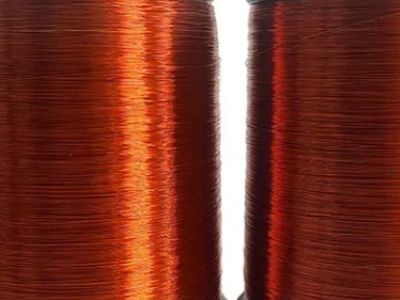
Polyurethane coil wire is crucial in manufacturing electronic products, particularly high-density printed circuit board (PCB) applications. Most electronic gadgets have such PCBs, which act like the brains of these devices and allow various elements to work together. Electronics are getting smaller and more complex, which means it is even more difficult to find ways for current materials to meet growing demands. That’s where polyurethane coil wire comes in. Many manufacturers, such as Shengweite, have chosen it and its many advantages for making reliable and efficient electronics due to the various advantages it offers.
Why Opt for Polyurethane Coil Wire with High-Density PCB?
Space savings When engineers are designing high density PCB assemblies, they have to think about space. Thin and flexible, this polyurethane coil wire fits in tight spaces. This versatility is critical as modern devices shrink and bulkier wires have less space. Another benefits to polyurethane aluminium coil wire is good insulation. That is, it aids in ensuring that electrical signals don’t get mixed up by cross talk, which can lead to device failure. In these high-density environments, small errors can have outsized results. Further, polyurethane coil wire is light weight and facilitates assembly operations. It can also deal with heat better than some other materials do. Many devices produce heat, and the wire must be able to withstand it without degrading. When engineers choose polyurethane coil wire, they are making a wise investment that can enhance the performance and longevity of their products.
What are the advantages of using Polyurethane Coil Wire in Electronics?
Many reasons of why polyurethane coil wire a great idea in electronics. First, it is very durable. Which is to say, it can last a whole bunch of time without wearing out, and that’s useful on devices people carry with them constantly. For instance, consider how frequently you use your smartphone. We’re dropping it, bumping it and also heating it up. If the wires inside are strong, it will last longer. It is also resistant to chemicals and moisture. In some environments, electronics are however subjected to spillages or humidity. Polyurethane enamel coated pickup coil wire offers protection from these problems, and is therefore appropriate for many uses. Plus, this kind of wire is wallet-friendly. Though other materials may be less expensive to begin with, they could wear out sooner, then cost more in replacement. Selecting polyurethane coil wire provides a long-term cost savings to manufacturers as they avoid replacing parts as frequently. Finally, polyurethane coil wire is work-efficient, which means quicker build times. This can enable companies like Shengweite to get products out to market faster. All in all, polyurethane coil wire provides a durability, efficiency and cost-effectiveness that’s difficult to top even in today’s fast moving electronics realm.
How Polyurethane Coil Wire Improves Performance in High-Density PCB Applications?
Polyurethane coil wire is used by many companies such as Shengweite in their high density PCB (Printed Circuit Board) designs. High-density PCBs are significant because they enable more electronic components to fit in a tighter space. This is really handy in devices like smartphones, and tablets, where space should be used as much efficiently. Polyurethane electric wire is great because it is small and flexible. What this means is that it is flexible and can be bent at well unlike the solid wires, so they don't snap easily when bending around wires on a circuit board. Too-thick or -stiff wires can obstruct your work and, in extreme cases, are liable to break other components off the board. Polyurethane coil wire allows engineers to create PCBs that are not only tinier but also highly efficient.
Polyurethane Coil Wire - The Reliable PCB Connection Solution
One reason for its popularity is the insulating effect of this type. Electricity is prevented from leaking out by the insulation surrounding the wire. This is very important because a small leak can be sufficient to take out a circuit. If one circuit fails, the whole gadget could go kaput. Using polyurethane coil wire, makers can harness connections that stick and let devices work better, last longer.