
 EN
EN
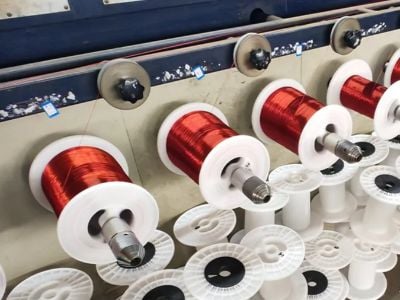
High voltage cables are important for supplying power over long distances. The current that a wire can carry is known as its current-carrying capacity. This capacity depends on a lot of factors such as the wire’s material, thickness and the conditions under which it is used: knowing these parameters allows us to choose an appropriate electric wire for our needs. At Shengweite, we understand how critical this is for safety and productivity.
Selecting The Right High Voltage Wire For Maximum Efficiency
While selecting the high voltage wire, one should also consider the material. Wires are generally made of copper or aluminum. Copper is a superior conductor, so it can handle passing more electricity without becoming overly hot. This makes it well-suited for application in high- voltage devices. Aluminum is lighter and cheaper but has less current-carrying capacity. That’s because in some cases you can use a thicker aluminum wire to carry the same amount of current as a copper wire, which would be more expensive. Also, matters the size of the wire or gauge. A thicker high voltage wire will be able to carry more current, but it will also be heavier and more difficult to work with.
What are the factors affecting the current carrying capacity of electrical wires?
There are a few things that can determine just how much current wire should be able to tolerate. For one, the material of the wire makes a huge difference. As noted, copper can conduct more electricity than aluminum. But it’s not just about the kind of metal: The wire’s diameter is important too. A thicker electric cable wire will let more current flow through before it overheats. This is meaningful, because if a wire gets too hot, it can cause harm or start a fire. And it depends on temperature around the wire, too. The wires are rated to be safe up to a certain temperature, and if their surroundings become hotter than that, the amount of current they can safely handle is affected.
Current-Carrying Capacity
When limited by current-carrying capacity, a large spark may still result from catastrophic failure of the wire, in comparison to which partial or lesser failure is preferred. That is, how much electric current a wire can carry safely without overheating or being damaged. To how current carrying capacity for high voltage cables is determined: There are several things to consider when you need to calculate the current carrying capacity of High Voltage cables. That’s the wire size, mainly. Larger wires can handle more current because there is more room for the electricity to move.
What Determines the Current-Carrying Capacity of High Voltage Wire?
When it comes to powering high voltage wires for your home or office, you do not want to face a hit or miss situation. Always use the right kind of wire for your project. Just be sure the wire is rated for the voltage you intend to use. If a wire that is not capable of handling high voltage is used, a serious accident can occur. The second thing is that there are correct installations. That being said, wires should never be run with a sharp bend or kink as these can create failure points in the wire later.